
This post contains affiliate links.
By Olami, AbroadPilot · Reviewed September 2026
Quick summary: A “weak ties to home country” refusal is not a comment on your loyalty or your love for home. It is an officer saying that, based on the file in front of them, there was not enough verifiable evidence that you will honor your visa conditions and leave, return, or maintain your stated intent at the end of your authorized stay. It shows up under different legal names — nonimmigrant intent in the US, the genuine student requirement in the UK, dual intent in Canada — but the practical fix is the same everywhere: specific, dated, checkable evidence, not a stronger claim of affection for home. This matters right now because “weak ties” is one of the most commonly cited refusal reasons across every major study destination, and it is also one of the few reasons an applicant can meaningfully strengthen without waiting for anything outside their control to change.

What “Weak Ties” Actually Means
“Ties to home country” is officer shorthand, not a legal term with one fixed definition. Every major student visa system runs some version of the same question: given everything in this application, is it more likely than not that this person will do what they say — study, then leave, return, or otherwise comply with the conditions of the visa?
That question gets answered through totality of circumstances, meaning officers weigh the whole file together rather than checking a single box. A refusal letter that cites weak ties is rarely about one missing document. It usually means the combination of evidence did not add up to a convincing, specific picture of your life at home and your reasons to maintain it.
The three major systems name this differently, and the differences matter for how you build your case:
- United States — every nonimmigrant visa applicant is legally presumed to intend to immigrate permanently unless they overcome that presumption. This site’s guide to the presumption of immigrant intent behind a 214(b) refusal covers this in full; weak ties is the evidence side of the same test.
- United Kingdom — assessed through the genuine student requirement, often probed directly in a credibility interview. See how UK credibility interviews actually fail applicants for how officers question this in practice.
- Canada — built around dual intent, where wanting to stay permanently one day is legally permitted, but you still need to convince an officer you will leave at the end of your authorized temporary stay. Covered in full in Canada’s dual intent framework.
If you have not read the site’s full guide to student visa refusal reasons, start there for how weak ties sits alongside funds, credibility and documentation as the handful of reasons officers repeatedly cite.
Why This Keeps Tripping Up Applicants
The gap is rarely a lack of real ties. Nigerian, Ghanaian and Indian applicants overwhelmingly do have strong reasons to return — family businesses, land, professional licenses tied to home jurisdictions, caregiving obligations, community and religious roles. The gap is that applicants assume these ties are self-evident and do not document them, because in their own context they obviously are.
An officer reviewing hundreds of files a week does not share that context. A family business is invisible to them unless it appears as a registered entity with your name on it. A caregiving obligation is invisible unless a letter or document names it. Extended-family structures — an uncle funding your education, a grandmother you support, a family compound you have a legal stake in — are completely normal in the applicant’s own life and completely unverifiable to an officer unless translated into paperwork they can check.
This shows up most sharply in interviews, where the same gap plays out verbally instead of on paper. An applicant asked “what will you do after your studies?” often answers honestly but generally — “I will go back and work,” or “my family needs me.” To the applicant, that is a real and sufficient answer. To an officer trained to listen for specifics, a general answer with no named employer, no named role, and no named timeline sounds identical to an answer someone would give if they had nothing concrete to return to. The content of the truth does not change; what changes is whether the applicant said the specific version or the general one out loud, on the record.
What Actually Counts As Evidence, By Type
The table below separates evidence that carries real weight from evidence that reads as generic filler, because officers are trained to notice the difference.
| Category | Weak version (little weight) | Strong version (real weight) |
|---|---|---|
| Employment | A brief letter saying you are “valued” with no return date | A signed letter on company letterhead naming your role, salary, and a specific return-to-work date, from a verifiable employer |
| Property or land | A photo of a house | A land title, certificate of occupancy, or deed in your name or your immediate family’s, dated before the application |
| Family business | A verbal claim that “my family has a business” | Registration documents (a CAC certificate in Nigeria, or the equivalent business registration in Ghana or India) showing your name or stake |
| Ongoing study or licensing | An intention to “continue learning” | Enrollment or membership in a professional body, program, or licensing track that only has value if completed at home |
| Dependents and caregiving | A general statement about “family responsibilities” | A named dependent, a documented care arrangement, or medical or school records showing an ongoing obligation |
The pattern across every row is the same: specificity and a paper trail beat sentiment every time.
Real-World Impact
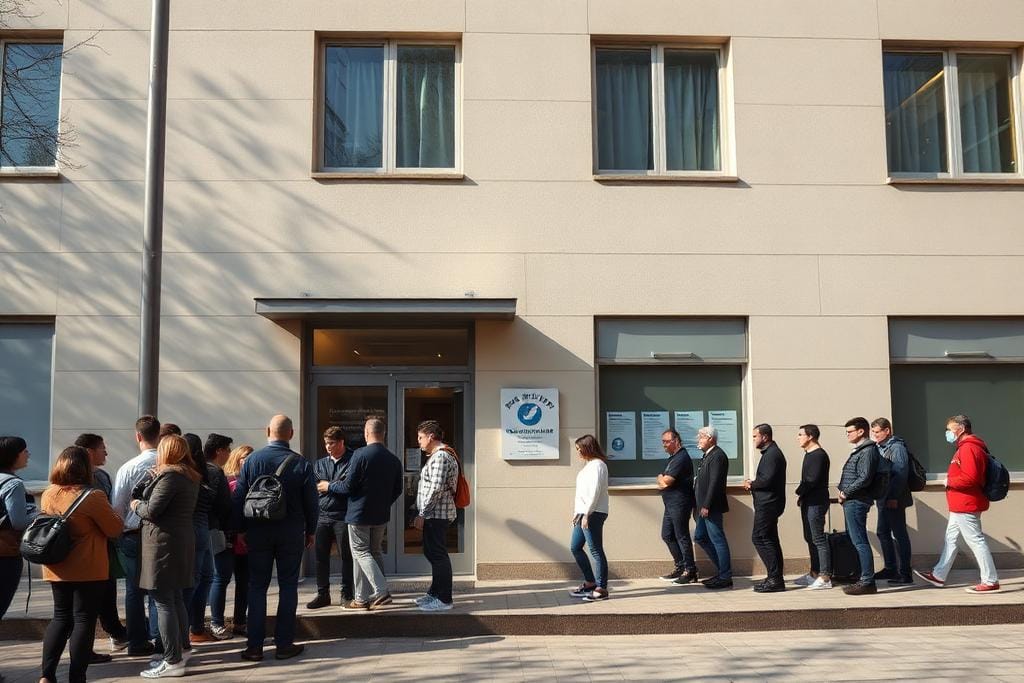
Officers who cite weak ties are usually reacting to a mismatch, not to an actual absence of reasons to return. That distinction matters because it changes what applicants should do next. Treating a weak-ties refusal as a verdict on your character or your commitment to home leads to reapplying with the same evidence and a longer cover letter — which fails for the same reason the first attempt did.
The real cost compounds when applicants misread the refusal. A missed intake deadline while gathering the right documents can push an admission offer back a full academic year, and some scholarships and conditional offers do not survive that delay. Families who pooled resources for a first attempt are often reluctant to fund a second one without understanding what specifically needs to change, which is precisely why naming the evidence gap matters more than general reassurance.
Key Takeaways
- “Weak ties” is a totality-of-circumstances judgment, not a single-document checklist.
- The legal basis differs by country — nonimmigrant intent (US), genuine student requirement (UK), dual intent (Canada) — but all three ask whether an officer can verify what you say will happen next.
- Generic claims of loyalty or love for home carry almost no evidentiary weight.
- Extended-family and community ties that feel obvious in Nigeria, Ghana and India need to be translated into documents an officer outside that context can check.
- This is one of the few refusal reasons you can genuinely strengthen for a reapplication through better documentation, not new circumstances.
Frequently Asked Questions
Does having close relatives already living abroad automatically mean I have weak ties?
Not automatically, but it is a factor officers weigh, because it can suggest a place to stay indefinitely. It becomes a real problem only when it is the strongest thing in your file and nothing documents your own independent reasons to return — a job, a business, a program, or a legal obligation tied to home.
What actually counts as strong evidence of ties for Nigerian, Ghanaian or Indian applicants?
Anything specific, dated and checkable: a signed employment letter with a genuine return-to-work date, land or property title documents in your name, a registered family business you hold a stake in (a CAC certificate in Nigeria, for example), enrollment in a program that only makes sense if you come back, or a documented care obligation to a dependent. A vague letter saying you “love your country” carries no evidentiary weight.
Can a refusal for weak ties be appealed instead of reapplying?
It depends entirely on the country. The US gives no administrative appeal for this kind of refusal; the UK offers limited grounds for administrative review; other systems vary. Check the official appeal or review process for your specific destination before assuming either route is available to you.
If I owned property or had a stable job when I applied, why was I still refused?
Because officers weigh the whole file, not one strong item in isolation. A property title with no other evidence of intent to return, or a job letter that reads as generic and undated, can still leave the overall picture unconvincing. The fix is usually breadth and specificity, not a single bigger asset.
Conclusion and What to Expect Next
Ties-based scrutiny is not going away, and if anything, digitized document verification is making it easier for officers to check whether a letter or registration is genuine rather than harder. The direction of travel favors applicants who build a documented case early — before an interview, before a first application, not after a refusal forces the issue. For Nigerian, Ghanaian and Indian applicants specifically, the advantage is that most of you already have the underlying ties. What is usually missing is the paperwork that lets a stranger verify them.
The Bottom Line
A weak-ties refusal is a verdict on your paperwork, not your intentions. Convert the family, financial and professional ties you already have into specific, dated, checkable documents, and a refusal reason that feels personal becomes a fixable evidence gap.
Free tools for this
- Refusal Risk Self-Assessment — map your own file against the actual legal grounds before a letter tells you
- Visa Refusal Rates by Country and Consulate — the published Schengen consulate figures for your nationality
Related Guides
- Refusal risk self-assessment — score your own file against the ties and intent grounds in four systems
- Student Visa Refusals: What Each Reason Actually Means
- US F-1 Refusal Under 214(b): What It Actually Means
- UK Student Visa Credibility Interviews: What Fails You
- Canada Study Permit Refusal: The Dual Intent Trap
Official and Verified Sources
- US Department of State — Visa Denials
- gov.uk — Immigration Rules: Appendix Student
- IRCC — Study permit eligibility requirements
Last updated: August 2026. Immigration rules and interview practices change regularly — always confirm current guidance on the official pages linked above before applying.
Have you been refused for weak ties and want a second read on what to document differently? Tell us what happened in the comments, or read the companion guide on refusal reasons linked above before your next attempt.

Olami is the founder and lead writer at AbroadPilot. He started the site after going through the visa process himself — a German student visa in 2019 and a Canadian work permit in 2023 — and learning first-hand how confusing official immigration language can be, how often rules change, and how easy it is to lose money to bad advice. He spent three years as an international education and travel consultant, helping people source and verify the information that landed their visas and planned their trips. Every guide on AbroadPilot is built from official sources — embassy pages, government immigration portals, and .gov fee schedules — and reviewed as requirements change. AbroadPilot does not sell visas or applications; it is a free resource to help readers apply with confidence.